
Changing a daily routine is rarely easy for a child. A new school year in Dubai, a move from nursery into Grade 1, a switch from a British school to an American one, or even the return to structured mornings after a long summer in the mountains of Ras Al Khaimah, all of these shifts can leave a small person feeling wrung out. Parents often see the signs before the child can name them: shorter tempers, clingier evenings, tears over socks, an unwillingness to open the lunchbox. None of this means the child is being difficult. It means the child is adjusting.
The good news is that the adjustment period is temporary, and there is a lot a parent can do to shorten it. What follows is a practical, calm approach that fits the reality of family life in the UAE, where school days are long, afternoons are hot, and evenings often feel squeezed between activities, traffic, and dinner.
Why it feels hard
The first weeks are genuinely tiring
A new routine asks a child to process an enormous amount at once: new teachers, new classmates, a new building, new rules about when to eat and when to line up. Add to that the physical demands of an early wake-up and a full day of concentration, and it is no surprise that many children come home flat, quiet, or unusually emotional.
Research on childhood transitions consistently shows that emotional regulation is one of the first things to wobble when a child is overloaded. Small things trigger big reactions. This is a signal, not misbehaviour, and it usually settles once the new rhythm becomes familiar.
Give the adjustment two to four weeks before you worry. If a child is still exhausted, tearful, or reluctant to go to school after that, it is worth talking to the class teacher or the school counsellor.
Protect the hour after school
The single most useful habit a parent can build is a protected quiet hour when the child gets home. No homework, no chores, no questions about the day, no screens if you can manage it. Just food, water, and space. In the UAE, where children often leave the house before 7am and return in the early afternoon, this window is not a luxury, it is basic recovery.
If you sit a tired child straight down at the dining table with a worksheet, two things happen. First, the homework takes twice as long and produces half the quality. Second, and more damaging in the long run, the child starts to associate school with a wall of tasks that never ends. That association is very hard to undo later.

Instead, let the afternoon start slowly. A snack, a shower, some time in their room with a book, a short cartoon, or simply lying on the sofa. The child will tell you, in their own way, when they are ready to move on.
Build the routine together, on paper
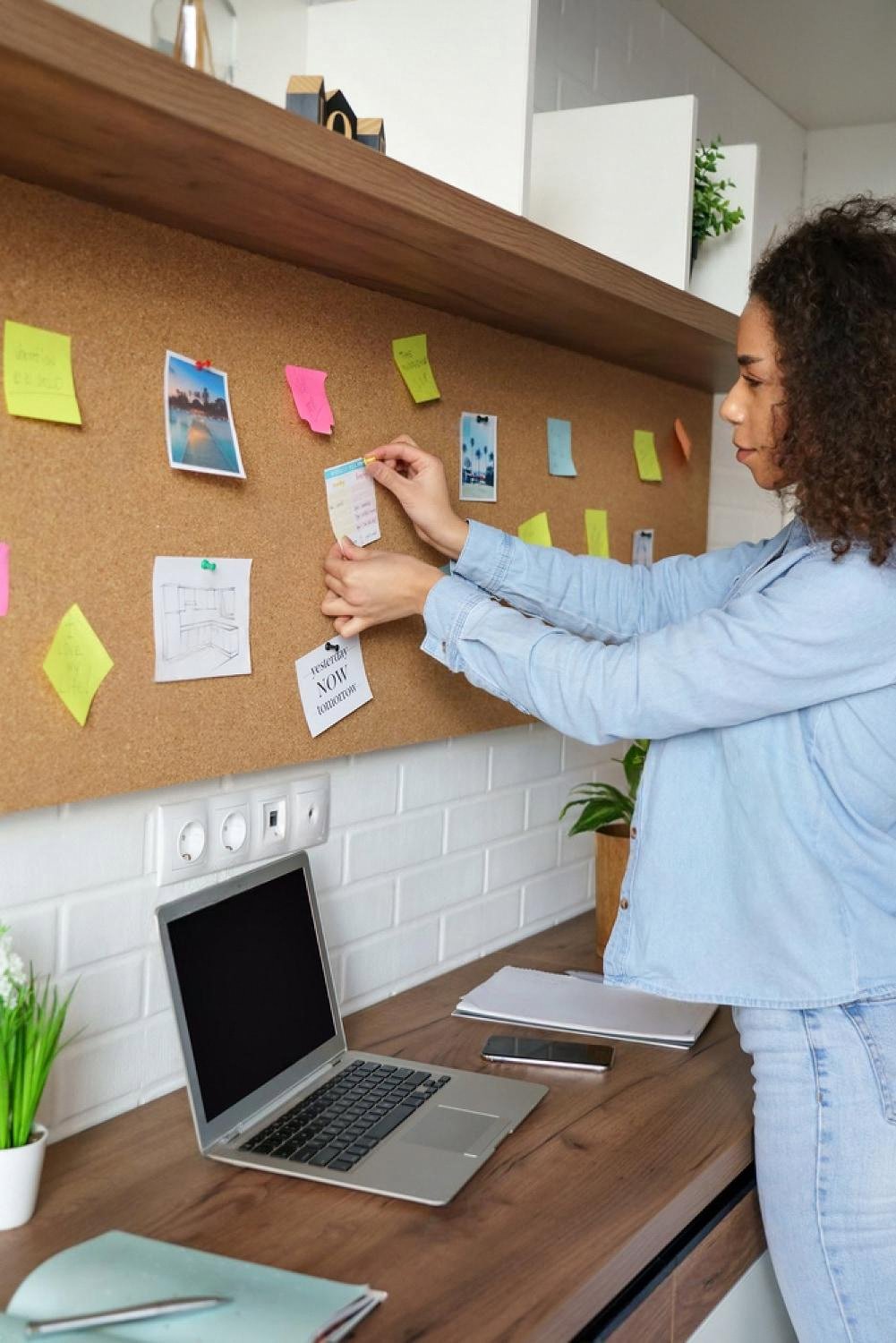
Children accept a routine much more easily when they help design it. Sit down on a Friday morning with a big sheet of paper, some markers, and stickers. Ask the child what they think a good afternoon looks like. You will be surprised how sensible their answers are, especially if you keep your own opinions quiet at first.
A schedule that a six-year-old has coloured in themselves, taped to the fridge or bedroom door, carries far more weight than one you printed off the internet. It becomes their plan, not a rule imposed on them. This is especially useful if your child is starting at a school with a demanding US curriculum where independent habits are built in from the youngest years.
- Keep it visual. Little pictures next to each block work better than words for younger children.
- Keep it short. Five or six blocks in the afternoon is plenty. More than that becomes a wall of text.
- Keep it flexible. Write times in ranges, not exact minutes. “Around 4pm” is kinder than “4:00 sharp.”
- Let them decorate it. Stickers, glitter pens, drawings. The messier and more personal, the better it sticks.
A sample afternoon that actually works
Every family is different, but the shape below suits most primary-age children in the UAE. Adjust the times to fit your school pickup and your evening.
- 2:30 to 3:30, decompress. Snack, cool shower, quiet play, or a short nap for younger ones.
- 3:30 to 4:30, move and connect. A walk in the park once the sun drops, a swim, a bike ride around the compound, or simply Lego on the floor with you nearby.
- 4:30 to 5:30, homework and reading. One focused stretch, with you within reach but not hovering.
- 5:30 to 6:30, family time and dinner. No screens at the table. Ask about one good thing and one hard thing from the day.
- 6:30 to 7:30, wind down. Bath, pyjamas, story, lights out. Consistency here pays off more than any other block.
The specifics matter less than the pattern. What the child needs is predictability: they should be able to tell you, by the end of week two, what comes after the snack without checking the chart.
Sleep is the quiet foundation
If nothing else works, fix sleep first. A tired child cannot regulate emotions, cannot focus in class, cannot enjoy the things they used to enjoy. The Sleep Foundation recommends nine to eleven hours of sleep for primary-aged children, and most UAE families with an early school run need lights out by 8pm to hit that.
Bedtime is where routines pay compound interest. The same order every night, bath then pyjamas then teeth then story then lights, sends a clear signal to the child’s body that the day is closing. Screens should be off at least an hour before sleep. Bedrooms should be cool, dark, and quiet, which in a UAE apartment often means blackout curtains and a fan for white noise.
Weekends will drift, and that is fine. Just try not to let Friday and Saturday bedtimes slide by more than an hour, or Sunday morning becomes a battle.
Watch for the signs, and adjust
A routine is a living thing, not a monument. If your child is coming home increasingly withdrawn, if stomach aches appear on school mornings, if they cannot fall asleep, something in the schedule needs to shift. That could be less after-school activity, an earlier bedtime, more one-on-one time with you, or a quiet conversation about something that is going on at school.
- Reduce the after-school load before adding anything new.
- Protect one weekend day as fully unscheduled family time.
- Keep talking, but keep it light. The car is often a better place for hard conversations than the dinner table.
- Trust your instincts. Parents notice patterns teachers cannot see.
The goal is not a perfect timetable. The goal is a child who feels safe, rested, and reasonably in control of their own day. Once that is in place, everything else, homework, friendships, confidence in class, tends to sort itself out.
Frequently asked questions
How long does it usually take a child to adjust to a new routine?
For most children, the first two weeks are the hardest, and by week four the new rhythm feels normal. Younger children and children who have changed schools often need a little longer. If a child is still visibly stressed, sleeping badly, or refusing school after a month, it is worth speaking to the class teacher or a school counsellor.
Should I let my child rest before homework, or get it out of the way first?
Rest first. A tired child will spend an hour producing work that a rested child could finish in twenty minutes, and the frustration builds bad associations with school. Give them at least an hour of quiet decompression after pickup, then tackle homework when their focus has returned.
What if my child refuses to follow the routine we agreed on?
Resistance usually means the routine is too full, or the child has stopped feeling ownership of it. Sit down together and revise it. Cut one or two blocks. Ask what they would change. A schedule that shifts a little with the child’s input holds up far better than one enforced from above.
If refusal is sudden and severe, look beyond the schedule. Something at school or with a friendship may be the real problem.
How do I handle the weekend without breaking the routine?
Weekends in the UAE are a chance to breathe, and children need that break. Let bedtimes drift by up to an hour, allow slower mornings, and keep one day mostly unscheduled. Just try to protect Sunday evening: an early, calm bedtime on the night before school makes Monday morning far easier for everyone.
My child seems fine at school but falls apart at home. Is that normal?
Very normal. Children often hold themselves together all day at school and release the tension the moment they walk through the front door with people they trust. It is a sign of a healthy attachment, not a problem with your parenting. Meet those meltdowns with calm and food, not lectures.
How much screen time is reasonable in an afternoon routine?
There is no single right answer, but most paediatric guidance suggests keeping recreational screen time to under an hour for primary-age children on school days, and cutting it off at least an hour before bed. If screens creep in as a way to fill exhausted afternoons, it is worth swapping some of that time for outdoor play once the temperature drops in the evening.

Skateboarder, tattoo addict, hiphop head, Eames fan and RISD grad. Making at the fulcrum of modernism and purpose to craft meaningful ideas that endure. I prefer clear logic to decoration.